Weekend Photos: Commit to Spot Metering for a Full Day (and Let the Light Get Weird)


Strong silhouettes, high key super bright photos that actually look great--these are the things that spot metering enables. Usually, spot metering is treated like a last-ditch effort tool for photographing wildlife in bushes or dimly lit scenarios. However, if you start using it, and practicing with it, you'll find that it can be a one-stop-shop to amazingly creative photography.
Let's dive into how...
Quick refresher: what spot metering does
Most of us shoot in evaluative/matrix metering, where the camera reads the whole frame and averages the light to create a “normal-looking” exposure.
Spot metering ignores all that. It measures light from only a tiny area in the center of the frame (your “spot”) and exposes just for that. Everything else gets dragged along for the ride—sometimes into glory, sometimes into chaos, often into something wonderfully unexpected.

How to practice it (the creative way)
Set your camera to spot metering. On most cameras this is in the metering mode menu (often shown as a small dot inside the frame).

Leave it on for an entire walk, shoot, or day. Not forever—don’t sabotage a once-in-a-lifetime safari by keeping it on the entire trip—but long enough that your brain starts to think differently.
Place your subject in the dead center while shooting, because that’s where your exposure is being calculated. Or, use auto-exposure lock to decouple the shutter from exposure, and recompose to shoot without your subject in the middle.
Expect dramatic exposure swings.
Subject in shadow? The camera brightens everything to expose that shadow correctly.
Subject in bright sun? The camera darkens the whole scene to protect those highlights.
Shoot a bit wider than usual. This is the trick that keeps spot metering from forcing boring center compositions.
Crop later for composition. After you’ve captured that funky, subject-based exposure, you can reframe to rule-of-thirds… or exaggerated composition… or anything else you want.

What kinds of scenes this shines in
People photography in tricky light. Think street scenes, markets, temples, or travel portraits where faces move between sun and shade. Spot meter on the face, and let the background fall where it wants.
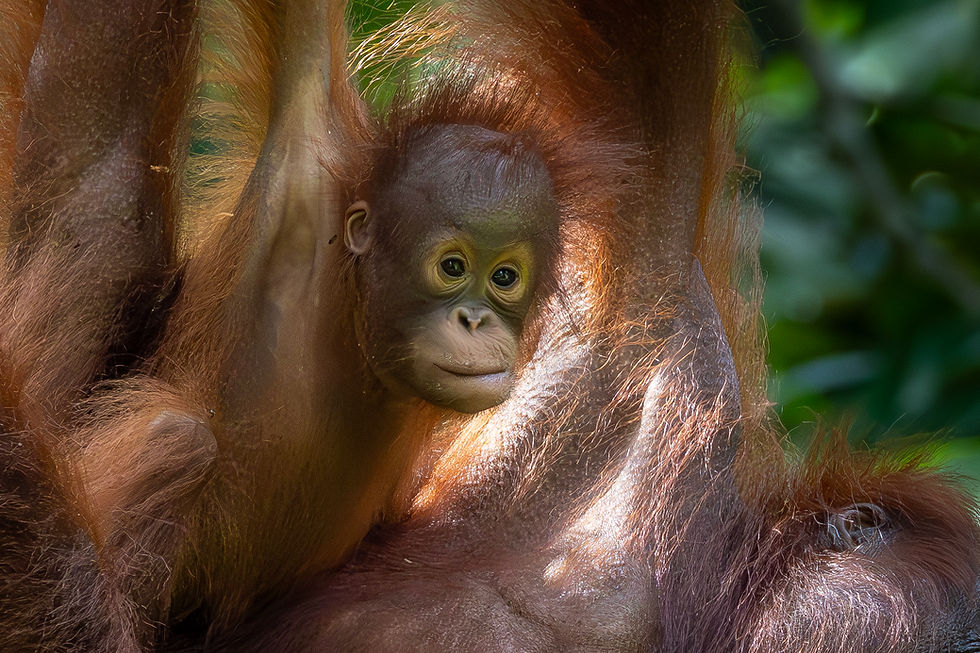
Backlit wildlife or silhouettes. Meter on the animal and the sky might blow out into a dreamy wash. Meter on the sky and the animal becomes a graphic silhouette. Both can be rad, depending on your intent.
High-contrast landscapes. Snowfields, deserts, harsh midday light, shafts of forest sunlight—spot metering can make your photos feel more dramatic because it refuses to average things out.
Why it feels creative
Spot metering forces you to stop making “safe” exposures.
Instead of your camera politely balancing everything, it creates visual bias—one part of the frame becomes “correct,” and the rest bends into mood. This can lead to surreal brightness, deep shadows, spotlight effects, natural vignettes, and drama you wouldn’t invent on purpose.
A simple assignment to try
Next time you’re out with a camera:
Turn on spot metering.
Spend one hour photographing only:
faces, or
a single animal, or
a repeating street/market scene.
Don’t “fix” the results in the field. Let exposures be bold.
Crop later to rebuild your compositions.
You’ll come home with a batch of images that look like you were seeing rather than just recording—and that’s exactly what creative vision is.
Until next time!
Court

Comments